


Stainless steel braided hoses, made from high-quality materials, are ideal for heavy-duty cleaning tasks, especially performing exceptionally well under high pressure. Rubber hoses are versatile, combining strength and flexibility for most applications. These premium materials ensure the hoses’ durability and safety, making them suitable for a variety of cleaning tasks. A variety of hose materials are available on the market, including rubber, PVC, polyurethane, metal, and silicone.
Choosing the right high-quality hose is beneficial for both professionals and home users.
Key Takeaways
- Stainless steel braided hoses are the best choice for heavy-duty cleaning, capable of withstanding high pressure and offering durability.
- Rubber hoses are ideal for home use; they are flexible, easy to move, and can withstand both hot and cold temperatures.
- Choose the appropriate hose material based on your cleaning needs. Each material has its unique advantages, such as durability and flexibility.
- Always check the hose’s rated pressure. Its rated pressure should be higher than the pressure washer’s rated pressure to prevent leaks or bursts.
- Consider how frequently you will use the hose and the environment in which you will use it. These factors will affect the hose’s lifespan.
Pressure Washer Hoses: Material Comparison
Washer Hoses Durability and Flexibility
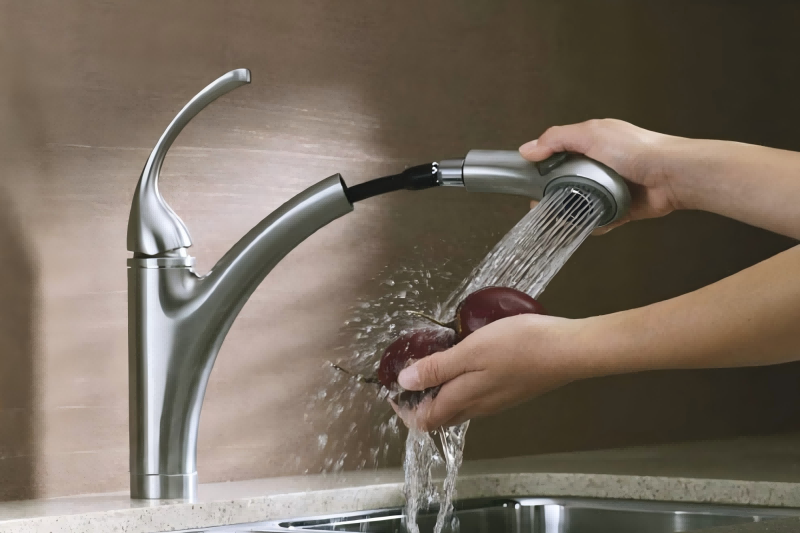
When choosing a high pressure washer hose, durability and flexibility are paramount. Some hoses have a longer lifespan because they are less prone to cracking or tangling and can withstand harsh weather conditions. Others are more flexible and easier to move. Rubber hoses are strong and durable, capable of handling heavy workloads, but are heavier and less flexible. Polyurethane hoses are lightweight and easy to use, less prone to tangling when bent, and less susceptible to wear. PVC hoses are lightweight and inexpensive, but have a shorter lifespan. Stainless steel braided hoses are extremely tough and resistant to high temperatures, pressures, or chemicals, requiring minimal maintenance for many years.
| Material | Durability | Flexibility | Safety | Cost |
|---|---|---|---|---|
| Rubber | High | Moderate | Good | Moderate |
| PVC | Low to Moderate | High | Fair | Low |
| Polyurethane | Good | Excellent | Good | Moderate |
| Stainless Steel Braided | Excellent | Good | Excellent | High |
| Polymer | Moderate | Good | Good | Moderate |
| Nylon | Moderate | Good | Fair | Low |
Washer Hoses Cost and Safety
When choosing a hose, both cost and safety are important. Rubber hoses are cheaper than stainless steel braided hoses, but rubber hoses may need to be replaced more frequently. Braided hoses have a higher initial cost but a longer lifespan, meaning you spend less each year. Safety is also important. Hose that won’t burst or leak helps prevent flooding. Stainless steel braided hoses are the safest option. They won’t crack or leak even under high pressure. Rubber and polyurethane hoses are also safe for most households.
Washer Hoses Common Materials Overview
People choose different hose materials depending on the job. Rubber hoses are suitable for high-pressure cleaning and are durable. If you need a lightweight and flexible hose, polyurethane hoses are the best choice. PVC hoses are suitable for small cleaning jobs and are less expensive. Stainless steel braided hoses are ideal for high-pressure and large cleaning jobs. Polymer and nylon hoses offer both flexibility and price advantages. Each material has its own advantages. Before choosing a pressure washer hose, consider durability, flexibility, safety, and cost.
Best Material for Pressure Washer Hose
Stainless Steel Braided Hoses
Stainless steel braided hoses are ideal for high-pressure cleaning jobs. Many workers use these hoses because they are strong, durable, and not easily broken. GONGGONG is a brand that manufactures these hoses, designed specifically for large cleaning tasks. These hoses have an outer layer of stainless steel wire braided into them. This wire makes the hose very strong and helps maintain its shape.
- These hoses can withstand extremely high pressures. Some hoses can even withstand thousands or more of 10,000 pounds per square inch (psi). This makes them ideal for use as high-pressure washer hoses.
- The braided wire prevents the hose from swelling internally, ensuring a safe and smooth flow of water.
- These hoses will not rust, overheat, or corrode by chemicals. They function perfectly where other hoses are prone to breakage.
- Stainless steel braided hoses prevent sudden pressure spikes. This is especially important in challenging cleaning environments.
| Advantage | Description |
|---|---|
| Strength | These hoses are extremely strong and durable. |
| Flexibility | They are easy to bend and suitable for a variety of applications. |
| Resistance to Rust | They are not as prone to rusting as rubber or PVC hoses. |
| Bursting Resistance | They are not as prone to bursting as ordinary hoses. |
| High Heat Tolerance | They can withstand hot water and high-intensity work. |
| Pressure Spike Handling | They handle sudden pressure changes better. |
Stainless steel braided hoses are durable and reliable. They are the best choice for users who need high-strength hoses for heavy-duty work. Professionals also choose these hoses for optimal safety and performance.
Rubber Hoses
Rubber hoses are ideal for home cleaning. Many people like rubber hoses because they are easy to move. Rubber hoses are lighter than metal hoses, making them convenient to carry and use. They are flexible, so you can use them in tight spaces or corners.
Rubber hoses are more durable than PVC hoses. They are not easily torn, scratched, or broken. These hoses can withstand extremely cold or hot weather. Even when bent, they retain their shape. However, in harsh environments, rubber hoses may not last as long as stainless steel braided hoses.
People say rubber hoses make cleaning easier. They don’t tangle, so you can finish cleaning faster. Rubber hoses can safely connect pressure washers to a water source. This helps you clean efficiently and safely.
Tip: For most home cleaning, rubber hoses are a good choice. They are durable, flexible, and affordable. They are the best choice for those who want a simple and durable hose.
Comparing the Advantages
The best material depends on your needs. Stainless steel braided hoses are best suited for heavy-duty cleaning and large jobs. They are very strong, safe, and durable. Rubber hoses are best suited for home cleaning. They are easy to use, flexible, and equally tough and durable.
Both types of hoses have their uses. Stainless steel braided hoses are suitable for high-intensity professional cleaning. Rubber hoses are ideal for those who want a more convenient hose. Choosing the right hose means a longer lifespan, safer use, and better cleaning.
Other Pressure Washer Hose Materials
PVC Washer Hoses
PVC hoses are lightweight and inexpensive. They are resistant to many chemicals and will not rust. People like them because they are easy to store. You can use them for cleaning indoors or outdoors. However, PVC hoses have a greater bending angle, which can make them more difficult to move. Excessive bending can shorten their lifespan.
Pros of PVC Hoses:
- Strong and can take high water pressure
- Do not get ruined by many chemicals
- Do not rust or wear out fast
- Good for inside and outside jobs
- Light and simple to put away
- Stay strong and bendy in cold weather
- Help machines last longer by stopping damage
Cons of PVC Hoses:
- Bend in sharp ways easily
- Not as bendy as rubber or polyurethane
- Hard to move when cleaning
- Bending too much can make them break
PVC hoses are best suited for home cleaning, car washing, and simple cleaning jobs. They are inexpensive, making them popular with those looking to save money. They work well in cold water.
Polyurethane Washer Hoses
Polyurethane hoses are very strong and easy to bend. They are not easily worn and can handle heavy cleaning tasks. These hoses are not easily corroded by chemicals or damaged by rough handling. They are used in workplaces or large cleaning sites. They can bend without breaking and do not have sharp bends. Polyurethane hoses are highly flexible and not easily broken. They are more expensive than PVC or rubber hoses, but have a longer lifespan and perform better in heavy-duty work.
Tip: Polyurethane hoses are ideal for high-pressure water jets and confined spaces. They don’t have sharp bends, making them easier to clean.
Polymer and Nylon Washer Hoses
Polymer and nylon hoses are flexible and safe to use. They are lightweight and compatible with a variety of pressure washers. You must check the PSI value to ensure the hose is compatible with your machine. If the hose breaks under high pressure, it can cause injury or damage to property. Polymer hoses are suitable for small cleaning jobs. Nylon hoses are best suited for light-duty jobs. Both types of hoses are less expensive than polyurethane hoses, but their lifespan may be shorter if used in harsh environments.
Hybrid and Reinforced Options
Hybrid and reinforced hoses combine the advantages of rubber and PVC. They maintain good flexibility even in extremely hot or cold environments. These hoses are not easily bent or deformed and are easy to move. Hybrid hoses are more durable than regular PVC hoses, meaning you don’t need to replace them frequently. Those looking to save money will choose hybrid hoses, which are reasonably priced and have good flexibility. However, prolonged exposure to sunlight may accelerate their aging.
- Hybrid hoses offer both price advantage and excellent performance.
- Reinforced hoses are more robust and durable, making them suitable for high-intensity cleaning tasks.
Before choosing a hose, people should consider the items to be cleaned, their budget, and the location of use.
Choosing the Right Pressure Washer Hose
Pressure Rating and Compatibility
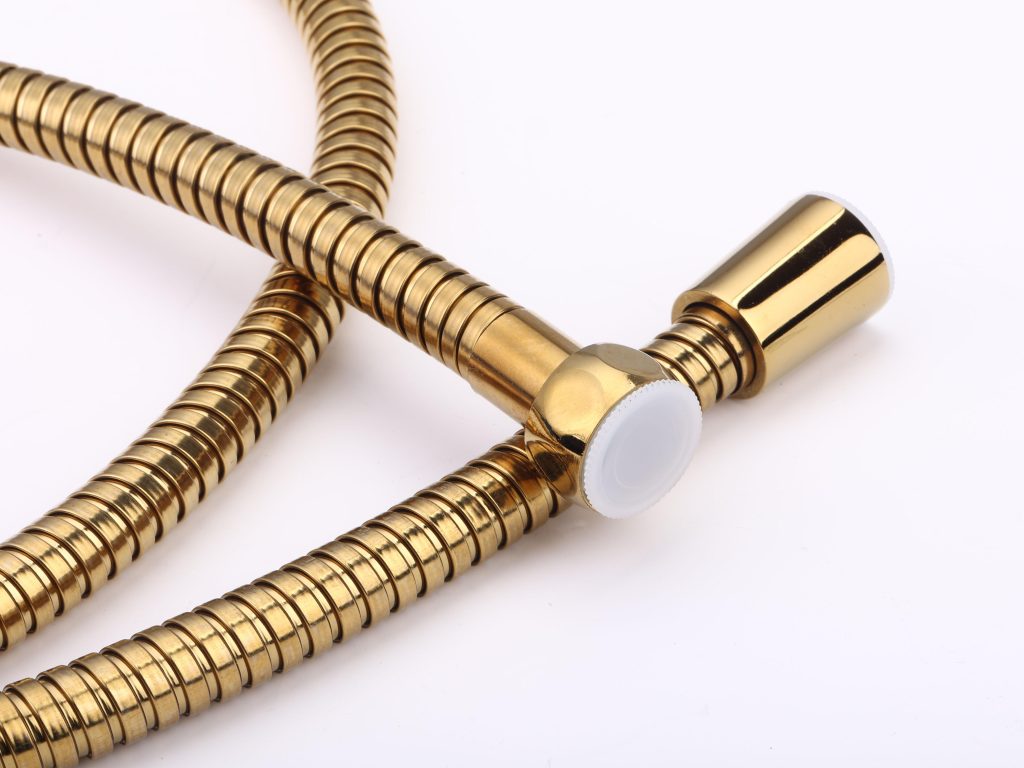
When selecting a high-pressure washer hose, first check its rated pressure. The hose must be able to withstand the pressure of the washer (PSI). Experts recommend choosing a hose with a rated pressure higher than the washer’s pressure. This prevents the hose from bursting when pressure rises rapidly. You should understand the working pressure and burst pressure. New hoses use high-strength steel wire rope inside. These wire ropes distribute pressure, thus protecting the hose. Using an unsuitable hose can lead to leaks or bursting. The table below compares hoses made of different materials:
| Hose Material | Durability | Flexibility | Pressure Rating | Kink Resistance |
|---|---|---|---|---|
| Rubber | High | Moderate | High | Moderate |
| Polyurethane | Moderate | High | Moderate | Low |
| Steel-Wire Braided | Very High | High | Very High | Very High |
Washer Hoses Usage Frequency and Environment
The frequency of use of the high-pressure washer affects the hose’s lifespan. Frequent use accelerates hose wear, especially at the ends. Frequent use leads to faster hose failure. Weather also affects hose lifespan. Overheating or undercooling can cause the hose to crack or melt. Cold weather can harden hoses, making them difficult to use. Friction with rough objects or the use of chemicals can also damage hoses. Sunlight and ozone gradually weaken hose performance. The table below lists the factors that affect hoses:
| Environmental Factor | Effect on Hose Performance |
|---|---|
| Temperature Extremes | Hardening, cracking, melting, or stiffening |
| Abrasion | Wear and tear from flow or rough surfaces |
| Chemical Exposure | Swelling, cracking, or dissolving |
| Weather Conditions | UV and ozone degrade material over time |
Balancing Washer Hoses Cost and Performance
People consider price and hose performance when purchasing hoses. High-quality hoses are easy to bend and less prone to tangling or scratching. Wire braided hoses are more expensive but have a longer lifespan. They save costs due to fewer maintenance needs. The table below lists the advantages of hoses:
| Hose Type | Benefits |
|---|---|
| High-quality, non-marking | Flexible, durable, and resistant to kinks and abrasions |
| Steel-braided | Lower maintenance costs and better efficiency |
Practical Selection Washer Hoses Tips
Choose wire braided or kink-resistant hoses for higher strength. Kink-resistant hoses are less prone to twisting or tangling. Lightweight hoses are easier to move. Use non-marking hoses indoors or on smooth surfaces. Swivels and flexible hoses make cleaning easier. Choose the hose length according to the size of the area to be cleaned. The material of the hose’s inner wall is also important. EPDM is heat-resistant, ozone-resistant, and weather-resistant, ensuring the hose’s safety and reliability during high-intensity operations. PEX has good flexibility and is less prone to rust, resulting in fewer leaks. The table below lists these core materials:
| Core Material | Contribution to Safety and Compatibility |
|---|---|
| EPDM | Excellent resistance to heat, ozone, and weathering |
| PEX | Flexible and resists corrosion, reducing leaks |
Brand is also important. GONGGONG hoses are high-performance and robust. Choosing a trustworthy brand ensures your safety and extends the hose’s lifespan.
Tip: Always choose the appropriate hose based on the pressure of your cleaning machine, the method of use, and the application environment. For best results, consider the material and brand of the hose’s interior.
Stainless steel braided hoses perform best for heavy-duty and high-pressure cleaning. Rubber hoses are suitable for most household and light cleaning jobs. Before choosing a hose, everyone should consider pressure rating, cleaning frequency, and budget.
- Stainless steel braided: Best suited for high-intensity, professional cleaning tasks.
- Rubber: Ideal for everyday cleaning.
Make an informed choice. The right hose makes cleaning safer, easier, and more efficient.
FAQ
What is the safest material for a pressure washer hose?
Stainless steel braided hoses are the safest choice. They do not burst or leak, even with strong water pressure. Many workers use these hoses for hard jobs.
Can a rubber hose handle hot water?
Yes, rubber hoses work with hot water. They stay strong in heat or cold. Many people at home pick rubber hoses for this reason.
How long does a pressure washer hose last?
A good hose can last for years. How long it lasts depends on what it is made of and how much you use it. Storing and caring for the hose helps it last longer.
Are all pressure washer hoses compatible with any machine?
Not every hose fits every machine. You should check the pressure rating and connector size before you buy. Using the right hose keeps cleaning safe and easy.