

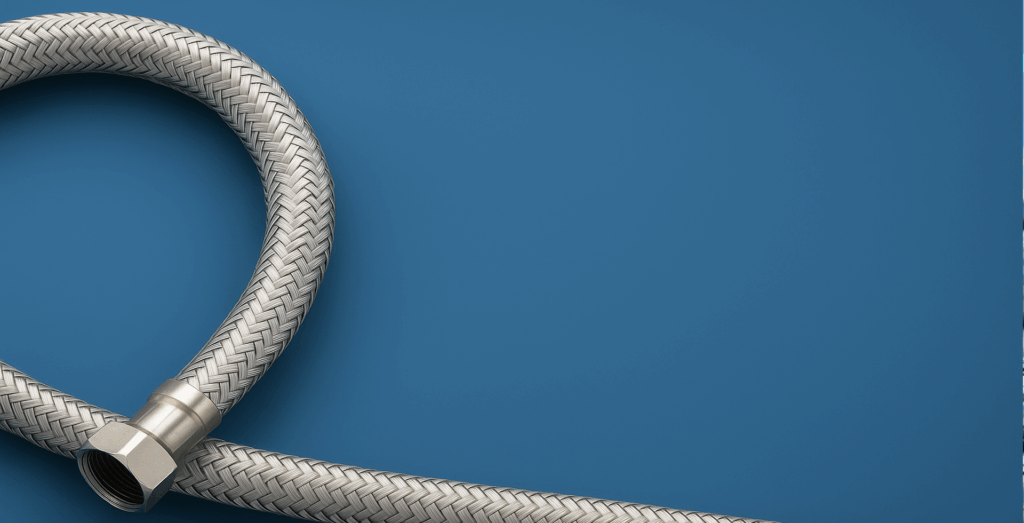
Yes, braided water pipes can burst. Many homeowners have suffered flood damage due to burst braided water pipes. Braided water pipes are stronger than rubber hoses, but they can still burst due to pressure or aging. Insurance companies say that the damage from a burst hose can be very expensive, with repair costs sometimes exceeding $10,000. Regularly inspecting your water pipes and using quality fittings helps reduce these risks, protecting your home and giving you peace of mind.
Key Takeaways
- Braided water pipes can burst due to pressure, aging, or quality issues. Regular inspections help detect problems such as bulges or rust. Choosing quality hoses can prevent costly flood damage. Proper installation and maintenance of hoses can extend their lifespan. For safety, it is recommended to replace hoses every 5 to 10 years.
Why Do Braided Supply Lines Burst?
Common Braided Supply Lines Failure Points
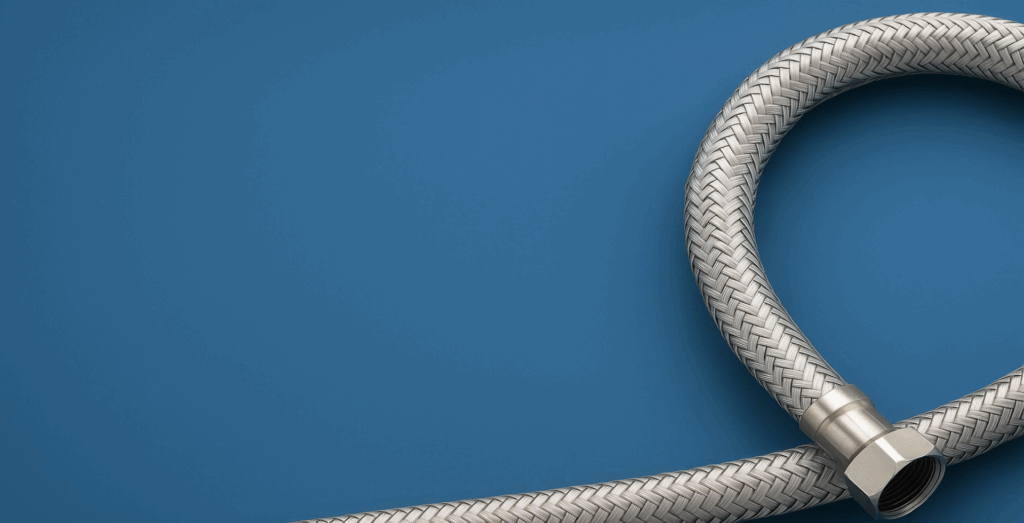
Braided water pipes are essential in plumbing systems. They connect sinks, toilets, and various appliances, providing a reliable water supply. Over time, these metal hoses can break in various ways. Safety agencies indicate that the most common causes of hose breakage are stretching, friction, and thinning of the inner braided layer. The table below lists the main failure modes of these hoses and their consequences:
| Type of Failure | Description |
|---|---|
| Stretch-induced breakage | The hose breaks due to stretching and fatigue. |
| Abrasion (internal and external wear) | Friction between the inner and outer layers of the hose causes wear. |
| Stretch-induced core breakage | The inner layer thins and stretches, then breaks. |
| Overheating at the break point | The internal temperature of the hose rises at the point of imminent breakage, indicating stress. |
| Melting of the nylon double braided layer | In some tests, the nylon partially melts, leaving a melting point. |
| Repeated internal stress | The hose breaks due to repeated stress. |
Plumbers often find damage at the points where the hose connects to other components. Frequent stretching, bending, and moving of the hose will cause it to age. Friction with other objects will also accelerate hose wear. If the hose gets hot somewhere, it means it is under pressure. When the inner wall of the hose thins or stretches, it may burst. GONGGONG braided hoses use robust materials and clever design to effectively avoid these problems. Even in confined spaces, these hoses are less prone to stretching or wear.
Braided Supply Lines Pressure, Age, and Corrosion
Braided metal hoses face numerous challenges daily. High water pressure can cause internal stress, eventually leading to breakage. Older hoses become stiff and brittle, making them more susceptible to breakage. Rust reduces the strength of the metal, leading to leaks and bursts. Water hammer, a sudden change in water flow, can damage hoses over time. If a hose comes into contact with aging electrical wiring, it can burn out.
Regular hose inspections help detect problems early and ensure home safety. Signs of an impending hose breakage include bulges, rust, and water hammer. Rust and corrosion weaken the hose, leading to leaks or bursts. Water hammer can damage hoses, but using a water hammer eliminator can effectively prevent this.
Homeowners should check hoses for bulges, rust, or damage. These problems often appear near the ends or bends of the hose. GONGGONG braided hoses are made of double-walled stainless steel, making them more robust and durable, and effectively preventing rust. These hoses can withstand high pressure and are not easily corroded by chemicals, making them ideal for conveying hot and cold water. Choosing a high-quality metal braided hose helps prevent bursting and flooding.
Causes of Braided Supply Lines Failure
Braided Supply Lines Material and Build Quality
The materials and manufacturing processes of the hose are crucial. Different companies use different materials to manufacture these hoses. Nylon braided hoses are suitable for medium pressure, withstanding 500 to 3000 psi. These hoses are suitable for domestic use but not for sudden pressure surges. Stainless steel braided hoses have a longer lifespan and can withstand extremely high and low temperatures. These hoses are suitable for harsh environments such as automobiles and airplanes. Stainless steel hoses are resistant to high temperatures and pressures and are flexible, allowing them to be installed in confined spaces.
The manufacturing quality of the hose determines its susceptibility to bursting. The following table lists characteristics that help extend the hose’s lifespan:
| Feature | Description |
|---|---|
| Braiding Type | Braided with fine, strong metal wires, available in single or double braids. |
| Material | Braided with 304, 304L, and 316 stainless steel. |
| Pressure Resistance | Depending on size, it can withstand pressures up to 300 bar. |
| Wall Thickness | A well-designed balance of flexibility and strength. |
| Manufacturing Precision | Sophisticated manufacturing processes ensure excellent hose performance and resistance to bursting. |
GONGGONG rigorously inspects all materials and adheres to strict production standards. This meticulous work helps prevent hose breakage and ensures home safety.
Braided Supply Lines Environmental and Usage Factors
Environmental factors surrounding hoses accelerate their wear. Sunlight weakens the outer layer of the hose. High temperatures reduce the strength of the inner layer. Humid air and water can cause the inside of the hose to rust. Even stainless steel will rust if exposed to moisture for extended periods. Both excessively hot and cold weather accelerate hose wear. Chemicals corrode hoses. Saltwater reduces the strength of the hose. Rough objects can scratch and damage the hose.
People use these hoses in many rooms. The risks differ between kitchens, bathrooms, and laundry rooms. Kitchen hoses are exposed to high temperatures and chemicals. Bathrooms are humid. Outdoor hoses are subject to sunlight and rain. Each location has its own problems. Regularly inspecting hoses helps detect damage early.
Braided Supply Lines Installation and Maintenance Errors
Incorrect installation or repair of hoses can lead to hose damage. Common mistakes include:
- Installing clamps in the wrong position can cause leaks.
- Using clamps that are too large or too small can damage the hose.
- Not using sleeves in rough areas will accelerate hose wear.
- Improper support can cause the hose to bend and block water flow.
- Inappropriate hose length can cause excessive stress on components or lead to loop formation.
- Excessive bending of the hose can cause it to burst.
- Twisting the hose during installation can cause leaks.
- Improperly securing the hose can cause it to shift and wear.
- Choosing the wrong connector can lead to leaks and various problems.
- Neglecting environmental protection can cause hoses to age prematurely.
Improper hose maintenance also increases the risk of bursting. Inferior hoses are more prone to damage. Using the wrong tools can cause problems. Neglecting inspections can cause small problems to escalate.
GONGGONG inspects every hose and uses high-quality materials. This reduces the risk of hose breakage and damage. Choosing high-quality hoses and installing them correctly ensures your home is protected from leaks and bursts.
Preventing Braided Supply Line Bursts
Choosing Quality Hoses
Choosing the right braided metal hose protects your plumbing system and helps prevent costly flood damage. Homeowners should choose hoses that meet stringent safety standards. The following table lists important certifications and their meanings:
| Certification | Description |
|---|---|
| UL | Complies with safety standards |
| CSA | Canadian safety standards |
| FM | Fire safety compliance |
| ASME | American Society of Mechanical Engineers standards |
| NSF/ANSI 61 | Safe for drinking water systems |
| UPC | Complies with plumbing codes in North America |
| Lead-Free Compliance | Meets lead content requirements for wetted surfaces |
GONGGONG braided hoses meet these requirements and provide extra safety. Braided water supply hoses are strong, durable, flexible, and have a long service life. These characteristics give homeowners peace of mind.
Proper Braided Supply Lines Installation Tips
Proper installation of metal braided hoses helps prevent leaks and bursts. Do not excessively twist or bend the hose. Use the appropriate length and avoid pulling the hose. Ensure the connections are tightened, but not overtightened. When installing new hoses, always follow the manufacturer’s instructions. Support the hose to prevent it from moving or rubbing against other objects. These steps help keep the hose secure and safe.
Tip: If you are unsure how to install it, please contact a plumber. This ensures correct installation and proper hose function.
Regular Braided Supply Lines Inspection and Replacement
Regularly inspecting hoses and replacing them promptly ensures their safety. Homeowners should check hoses for wear, bulges, rust, or leaks. Replace hoses before they burst to avoid major problems. Washing machine hoses should be replaced every 5 years, or when they show signs of wear. To prevent bursts, replace water hoses every 3 to 5 years. When replacing a hose, turn off the water, remove the old hose, and then install the new one. Make hose replacement part of your routine home maintenance. Replacing hoses means fewer leaks, less flood damage, and a safer home.
Warning Signs and When to Replace Braided Supply Lines
Visible Damage or Leaks
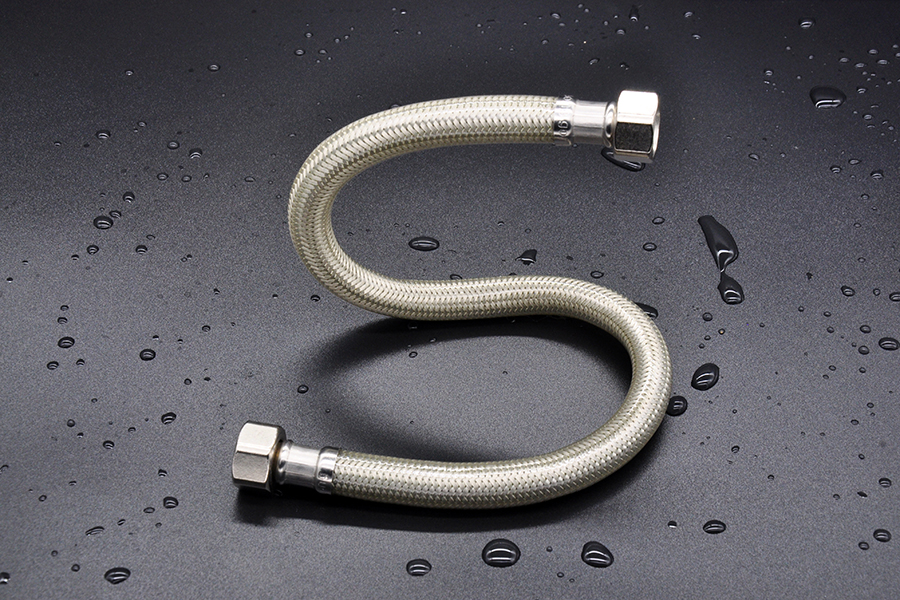
Homeowners can prevent flood damage by regularly inspecting their hoses. The best way to spot a problem is to look for visible damage. Some signs that a braided water hose may be about to burst include:
- Cracks, bulges, or wear on the hose
- Any leaks or water accumulation under the joints
- Hose that is more than seven years old
If you find these issues, repair them as soon as possible. Delaying replacement can cause hoses to burst, resulting in costly flood damage.
Noises and Water Pressure Changes
Unusual noises or pressure changes can also indicate a problem with the hose. People should pay attention to the following:
- A rapid drop in water pressure may indicate backflow and poor water quality.
- A sudden increase in water pressure may indicate internal damage or blockage in the hose.
- Unstable water flow may indicate a problem with the check valve.
- Water pressure not between 40-60 psi requires a plumber’s visit.
Other signs include hissing or gurgling sounds, pipe rattling, or dripping. These can all indicate an impending hose failure. Early detection of these signs helps prevent water damage.
Replacement Braided Supply Lines Guidelines
Many people wonder, “When should I replace my braided water supply hose?” Plumbing experts recommend:Every 10 years
Regularly checking hoses helps detect problems before leaks or bursts. Homeowners should check for leaks and replace hoses as needed. Doing so reduces the risk of flooding and protects your home.
Braided water supply hoses can burst for a variety of reasons. The table below lists the main causes:
| Reason for Burst | Description |
|---|---|
| Pressure Cycling | Pressure changes can weaken the hose, leading to a burst. |
| Improper Hose Selection | Choosing the wrong hose or excessive bending can cause it to burst. |
| Hose Quality | Inferior hoses are more prone to bursting, causing greater damage. |
Regularly checking hoses helps avoid expensive repairs. It prevents small problems from escalating into major ones. Insurance companies also prefer well-maintained homes. High-quality metal braided hoses have a longer lifespan and are safer to use. Doing so protects your home and gives you less to worry about.
FAQ
What is Braided Water Supply Hose?
Braided water hoses are flexible hoses with metal or nylon braids. People use these hoses to connect water to sinks, toilets, and household appliances. The braids help protect the hose from damage and pressure.
How often should braided water hoses be replaced?
Most experts recommend replacing braided water hoses every 5 to 10 years. Homeowners should check the hoses annually for signs of wear, leaks, or rust. Early replacement helps prevent water damage.
Can braided water hoses be used for hot and cold water?
Yes, braided water hoses can be used for both hot and cold water. GONGGONG braided hoses are made of heat- and corrosion-resistant materials, so they can safely meet a variety of plumbing needs.
What are the main signs that a braided hose needs replacing?
- Check near both ends of the hose for bulges, rust, cracks, or leaks.
- Any unusual noises or changes in water pressure may also indicate a problem.
- If you find these signs, replace the hose immediately.