

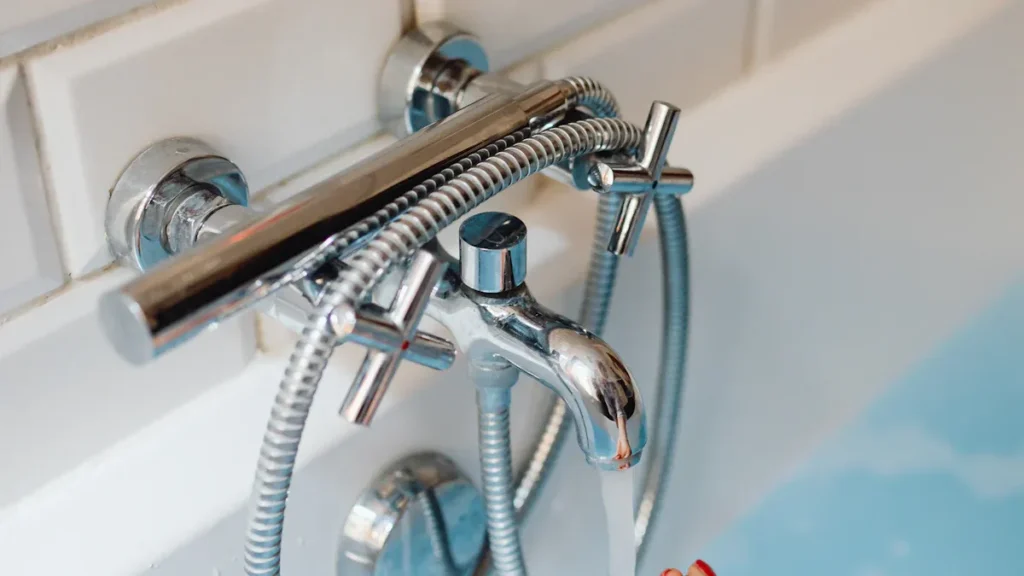
Shower hoses typically use primary HS codes, such as 3917.39.0010 for plastic, 73242900 for metal, and 39229000 for other materials. Choosing the correct HS code helps streamline customs checks and ensures proper transport. Materials and designs (e.g., braided, plastic, or metal) will affect the code.
Local customs may change codes, so consulting them helps ensure the legal transport of your goods.
Key Takeaways
- Find the correct HS code for your shower hose based on its material. Materials can be plastic, metal, or a combination of materials. This helps with smooth customs clearance.
- Always check local customs regulations before shipping. Some countries may use different codes for the same type of hose. This can affect your shipping method.
- Use correct documentation when shipping. Include the HS code on the invoice and packing list. This helps avoid delays and fines.
- Stay informed about HS code changes. The World Customs Organization updates codes every five years. This may change your shipping requirements.
- Avoid mistakes, such as using old codes or incorrect types. Please check all documents to ensure you comply with the relevant regulations.
What is the Shower hose HS code?
The Harmonized System (HS) is a list of product names and codes. The World Customs Organization (WCO) developed this system for various purposes.
HS codes help countries understand what products are included in their goods. Each cross-border product is assigned a unique code. This code tells customs what the product is and how much duty should be levied. The HS coding system uses these codes to classify products.
| Component | Description |
|---|---|
| First Two Digits | Show the main product group (Chapter). |
| Next Two Digits | Give more detail about the product (Heading). |
| Final Two Digits | Point to a smaller group (Subheading). |
The WCO updates the HS coding system every five years. These updates help keep up with new products and materials.
Main HS codes for shower hoses
Shower hoses may use different HS codes. The most commonly used codes are as follows:
- 3917.39.0010: This code applies to plastic pipes, such as flexible plastic shower hoses.
- 73242900: This code applies to metal hoses, such as stainless steel shower hoses.
- 39229000: This code applies to other plastic fittings used for sanitary purposes, which may also include some shower hoses.
Each HS code corresponds to a specific material or application. Customs officials use these codes to set tariffs and check safety regulations.
Variations by material and design
The material and design of a shower hose will affect its HS code. For example, plastic hoses have different codes than metal hoses. Some hoses, such as GONGGONG braided hoses, use both metal and plastic materials. These braided hoses may require special classification. If the hose has a stainless steel braided outer layer and a plastic inner layer, then generally, the primary material determines its corresponding customs code.
Design is also important. Simple plastic shower hoses use one code, while braided hoses used for strong water flow may use another. Customs officials will inspect the inner and outer parts of the hose and also confirm whether the hose is for domestic or commercial use.
Tip: Always check the latest customs coding rules before shipping. The correct code helps avoid delays and additional costs.
Identify the Shower hose HS code
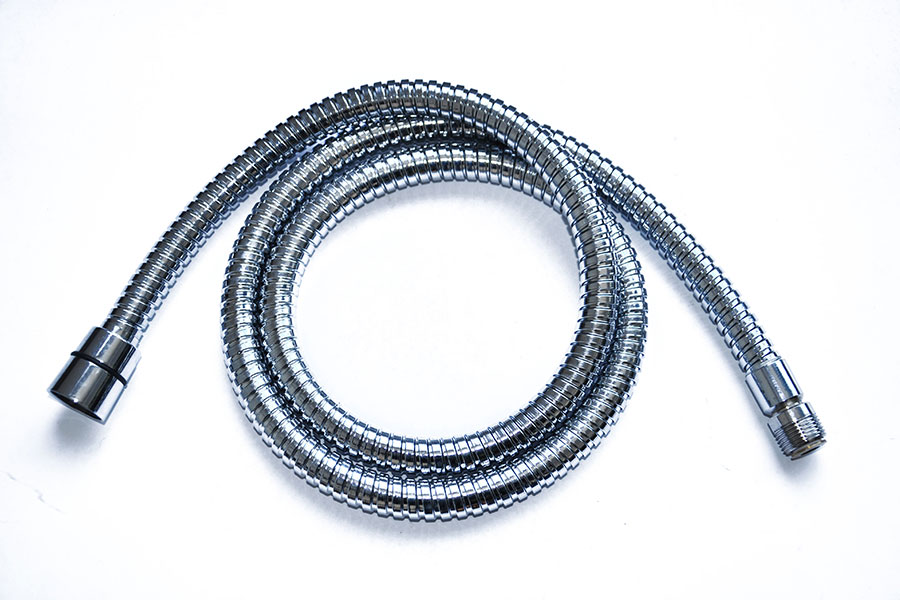
Material and intended use
The material and purpose of a shower hose are crucial. Customs officials will check the hose’s material and the user’s intended use. If the hose is made of plastic, it uses one code; if it’s made of stainless steel, it uses another. Some hoses contain both plastic and metal components. For example, the inner tube might be plastic, and the outer tube might be metal. These mixed-material hoses require additional inspection.
The GONGGONG braided hose is a good example. It’s made of stainless steel, making it strong and durable. It also contains a flexible polymer, making it easy to bend. It’s used in homes and large buildings. The inner layer material can be EPDM, PEX, or PTFE. These materials affect the hose’s intended use. Customs officials will check the hose’s primary material and purpose. If the hose is used for home showers, it will typically use a sanitary code. If it’s used in a factory or laboratory, it might use an industrial code.
Note: The purpose of a hose affects its customs code. Hose used for showers uses a different code than hoses used in factories. The intended use and manufacturing method of the hose are also important.
- Sanitary hoses: For use in bathrooms, kitchens, or cleaning applications.
- Industrial hoses: For use in factories, laboratories, or for connection to machinery.
- Multi-purpose hoses: Further inspection is required to determine the correct coding.
Country-specific differences
Different countries have different regulations regarding HS codes. Even for the same type of hose, customs authorities in different countries may use different codes. Some countries focus more on the main material of the hose, while others focus more on its intended use. For example, some countries may call braided hoses metal hoses, while others may call them sanitary fittings.
| Country | Main Focus for Classification | Possible HS Code Outcome |
|---|---|---|
| United States | Material | Metal or plastic hose code |
| Germany | Intended use | Sanitary or industrial code |
| China | Structure and function | Composite or braided hose code |
Tip: Always check the regulations of your country before shipping. This will help you avoid problems and ensure smooth shipment.
Why Shower hose HS code matters
Customs and compliance
Customs officials use HS codes to inspect goods. They will ensure that the code matches the items inside the packaging. If a company uses an incorrect code, it may encounter trouble. This trouble may result in fines, legal disputes, or border detaining. The following table lists the potential consequences of using the wrong HS code for shower hoses:
| Consequence Type | Description |
|---|---|
| Economic Penalties | Potentially hefty fines, sometimes as high as 2 to 4 times the amount of lost customs duties. |
| Legal Risks | Using the wrong code can cause legal trouble for importers. |
| Operational Delays | Incorrect HS codes can delay customs inspections and result in economic losses. |
| Lost Trade Preferences | Importers may lose special trade preferences. |
| Detention or Return of Goods | Customs may detain or return goods with the wrong code. |
Customs regulations help maintain fair and secure trade. Using the correct code helps ensure that goods are transported in compliance with the law.
Shipping and tariffs
HS codes also affect the taxes a company pays. Each code has its corresponding tax rate. For example, plastic hoses and metal hoses may have different tax rates. Some countries may reduce tax rates if a trade agreement is reached. The table below shows how codes affect prices:
| HS Code | Description | General Rate of Duty | Special Rate of Duty | Trade Agreements |
|---|---|---|---|---|
| 3917.29.00.90 | Tubes, pipes and hoses, and fittings of plastics | 3.1% | Free (A, AU, B, BH, C, CL, CO, D, E, IL, JO, KR, MA, OM, P, PA, PE, S, SG) | Various |
Other Using the correct code can save costs and avoid extra charges. It also helps products clear customs faster. Good coding helps businesses plan costs and improve customer satisfaction.
Using the Shower hose HS code
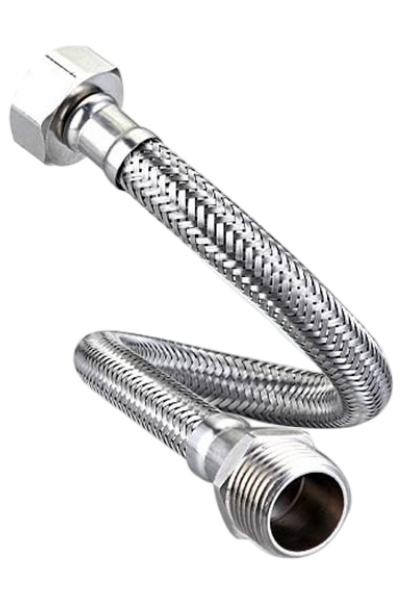
Documentation steps
Complete documentation helps goods clear customs quickly. Businesses need to follow some simple steps when declaring shower hoses using HS codes.
- First, gather detailed information about the hose. Note its material, dimensions, and intended use.
- Next, find the latest HS code table. Locate the code corresponding to the hose.
- Then, fill out the shipping invoice. Fill in the HS code on the invoice, packing list, and customs declaration.
- Add product photos or data sheets. These help customs officers verify the product.
- Double-check all documents. Ensure the HS code matches the hose details.
- Finally, submit all forms and documents to customs before shipment.
Tip: If your documents are correct, customs inspections will be faster, and you won’t experience many delays.
Common mistakes to avoid
Incorrect HS code entries can cause problems for import/export companies.
- Selecting the wrong code for the hose material. For example, mistakenly writing a metal hose as a plastic hose.
- Failure to update the code after a change in hose material. If the hose uses a new design or material, a new code may be required.
- Forgetting to fill in the HS code on the shipping documents. Customs may detain the goods for inspection.
- Using old codes from previous shipments without verification. HS codes may change.
- Not checking the regulations of each country. Some countries use different codes for hoses.
| Mistake Type | Possible Result |
|---|---|
| Wrong code | Fines or shipment delays |
| Missing code | Customs holds shipment |
| Outdated code | Extra fees or returns |
Note: Carefully checking codes and documents helps businesses avoid major errors.
Shower hoses use different HS codes depending on their materials and design. These codes help customs officials inspect goods and determine duties. Businesses need to classify them according to the hose’s material and intended use.
Consulting your local customs or trade office can help you avoid errors.
- You can use product search tools to find the latest HS codes for shower hoses.
- Choosing the correct code facilitates cargo transportation and avoids additional costs.
FAQ
What is an HS code?
An HS code is a number that helps customs officials identify products. It tells customs officials what the product is and how much tax should be levied. All cross-border products require an HS code.
How does the material affect the HS code of a shower hose?
The main material of the hose determines its HS code. Plastic hoses use one code, and metal hoses use another. If the hose contains both plastic and metal, careful checking is needed to select the correct code.
Can the same shower hose use different HS codes in different countries?
Yes. Each country may classify the same hose differently. Some countries focus on the material, while others focus on the purpose or design. Always check local regulations before shipping.
Which documents should include the HS code?
Invoices, packing lists, and customs declarations should all include the HS code. Adding product data sheets or product photos can help customs officials inspect goods more quickly.
What happens if a company uses the wrong HS code?
Customs may delay, impose fines, or return the goods. Using the correct HS code helps avoid problems and ensures smooth trade.