

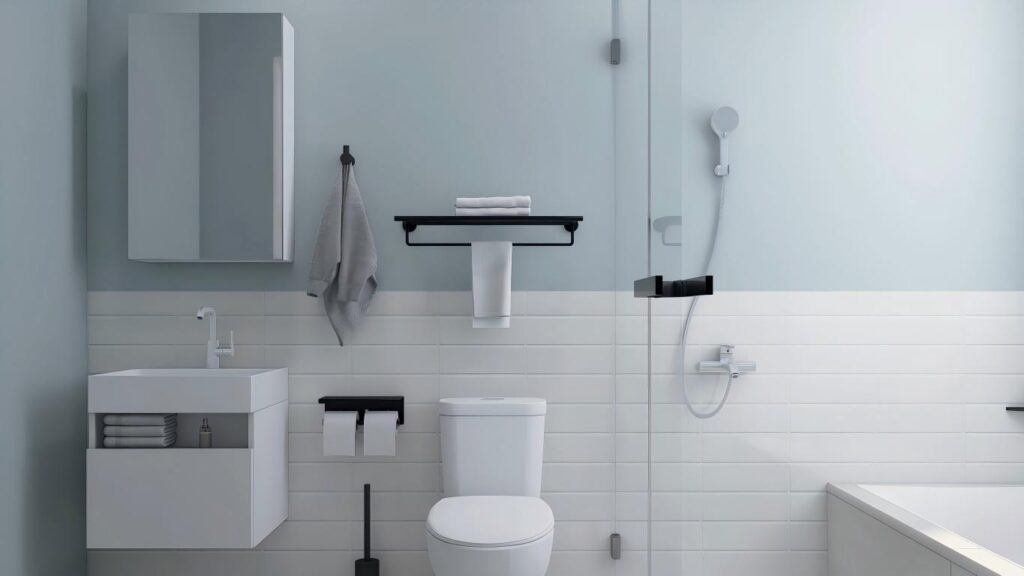
Toilet water supply hoses range in price from $1.91 to $664. Most people buy standard hoses for around $9. Hoses with special features or made of special materials can be more expensive. Some well-known brands, such as GONGGONG, sell more expensive, robust, and durable braided hoses. These hoses have a longer lifespan and are better suited for users who prioritize reliability.
Key Takeaways
- Toilet water supply hoses typically range in price from $1.91 to $664. Most people buy standard hoses for around $9.
- You can choose between economy or high-end hoses. High-end hoses have a longer lifespan and may help save on future repair costs.
- The cost of installing a water supply hose ranges from $45 to $150. You may need to hire a plumber. This helps ensure the hoses are installed correctly and safely.
- Regularly check your water supply hoses for damage. Replace them every 5 to 10 years. This helps prevent leaks and water damage.
- Shop smart. Compare prices in online and brick-and-mortar stores. Looking for promotions to save money.
Toilet supply line cost breakdown
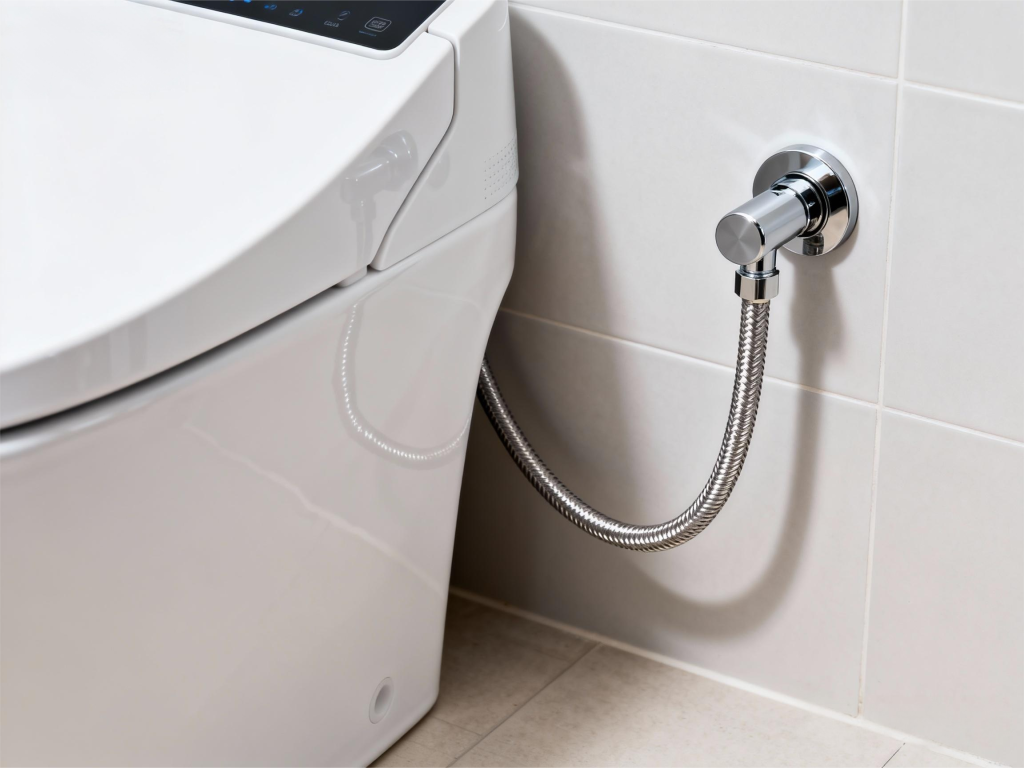
Toilet supply line Standard cost range
Toilet water supply hose prices vary. Most range from $6.67 to $17.59. Many people buy them for around $9. Prices may differ if you choose special colors or finishes. Some products are more expensive due to additional features. The table below lists the prices of different colors you can find online:
| Color | Price |
|---|---|
| Fawn Beige | $9.13 |
| Gold | $11.40 |
| Harbor Grey | $8.13 |
| Ice Grey | $7.54 |
| Ivory | $9.59 |
| Lavender | $17.59 |
| Light Grey | $7.54 |
| Mushroom | $9.59 |
| Onyx | $7.00 |
| Papyrus | $6.67 |
| Rose | $9.54 |
| Royal Gold | $11.40 |
| Warm White | $6.67 |
| Wild Rose | $9.54 |
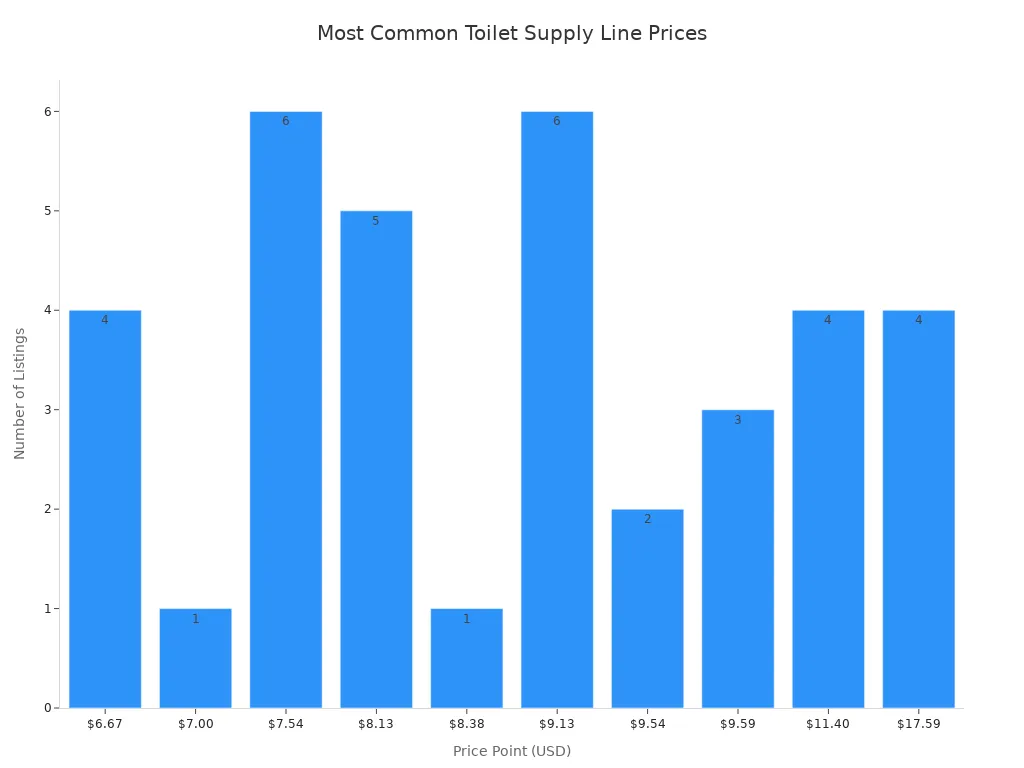
Most people will choose bathroom accessories that match their bathroom style. They also want prices within their budget. The table above shows that many products are priced between $7 and $11. This applies to a variety of colors and finishes.
Toilet supply line Budget vs. premium supply lines
Economy water supply pipes are made of simple materials, such as plastic or ordinary metal. These pipes are suitable for most homes and are relatively inexpensive. Premium water supply pipes, on the other hand, use higher-quality materials, such as braided stainless steel tubing. These pipes have a longer lifespan and are less prone to leaks. GONGGONG’s braided hoses are extremely robust and durable, meeting stringent safety standards and offering superior performance. Premium water supply pipes are suitable for users who prioritize durability and are also suitable for frequently used bathrooms.
Note: Premium brands like GONGGONG prioritize quality and safety. These pipes have a higher initial cost, but due to the lower frequency of repairs or parts replacements, they are more cost-effective in the long run.
What’s included in the price
A standard toilet water supply pipe assembly includes several main components. These components are used to connect the water pipes to the toilet. Most kits include:
- A valve with a knob for controlling the water flow
- A flexible hose connecting the valve and the toilet
- A flange for covering holes in the wall
- A pipe fitting for connecting the water pipe and the valve
These components make installing the water supply pipe easier and help keep the connection secure. Some high-end water supply pipes, such as GONGGONG, may have additional features that can extend the life of the water supply pipe or improve safety.
Toilet supply line Cost factors
Toilet supply line Material and durability
The material of the toilet water supply pipe affects its price. Stainless steel water supply pipes have a higher initial cost, but their lifespan is far longer than plastic or PVC materials. Many people choose stainless steel because it can last up to 100 years and requires almost no maintenance. Stainless steel does not leak harmful chemicals and ensures smooth water flow. Plastic or PVC water supply pipes have lower purchase and installation costs, but a shorter lifespan. They are more prone to damage if heated or exposed to sunlight for extended periods, and may therefore require more frequent replacements. This increases the overall cost.
- PVC pipes are cheaper to purchase and install.
- While stainless steel pipes have a higher initial cost, they can save money in the long run.
- Stainless steel pipes require almost no maintenance and are not easily damaged.
- Plastic pipes are prone to aging and may burst under pressure.
Toilet supply line Length and size
The length and width of water supply lines affect their price. Longer water supply lines require more material and are therefore more expensive. Wider lines also require more material and are more expensive. For example, the cost of installing a water supply line can range from $10 to $25 per foot. The price depends on the length and width of the line. People should measure carefully before purchasing, which will help them choose the right size.
- Longer water supply lines increase material and labor costs.
- Wider lines are more expensive because they require more material.
Toilet supply line Brand differences
Brand and its quality affect the price. Premium brands like GONGGONG sell braided hoses made with sturdy materials. These brands conduct rigorous quality inspections on their products. While more expensive, their hoses have a longer lifespan and better performance. Prices also vary depending on the location. Higher labor costs or stricter regulations in some states can lead to price increases.
| State | Cost Range | Key Factors Affecting Cost |
|---|---|---|
| California | $563 – $1,247 | Labor costs and rules make prices higher. |
| Texas | $418 – $1,027 | More contractors and lower labor make prices lower. |
| Florida | $437 – $1,063 | Prices go up during hurricane season when demand is high. |
| New York | $623 – $1,387 | Many people and high labor costs make installation expensive. |
| Illinois | $457 – $1,087 | City and suburb prices are different. |
| Pennsylvania | $443 – $1,043 | Labor costs are moderate, and material supply changes prices. |
| Georgia | $418 – $1,017 | More homes mean steady demand and good prices. |
| Colorado | $487 – $1,137 | Urban areas have higher labor rates and costs. |
| Washington | $527 – $1,213 | Rules and labor costs make prices go up. |
| Ohio | $397 – $987 | Labor is cheap and demand is moderate, so prices stay low. |
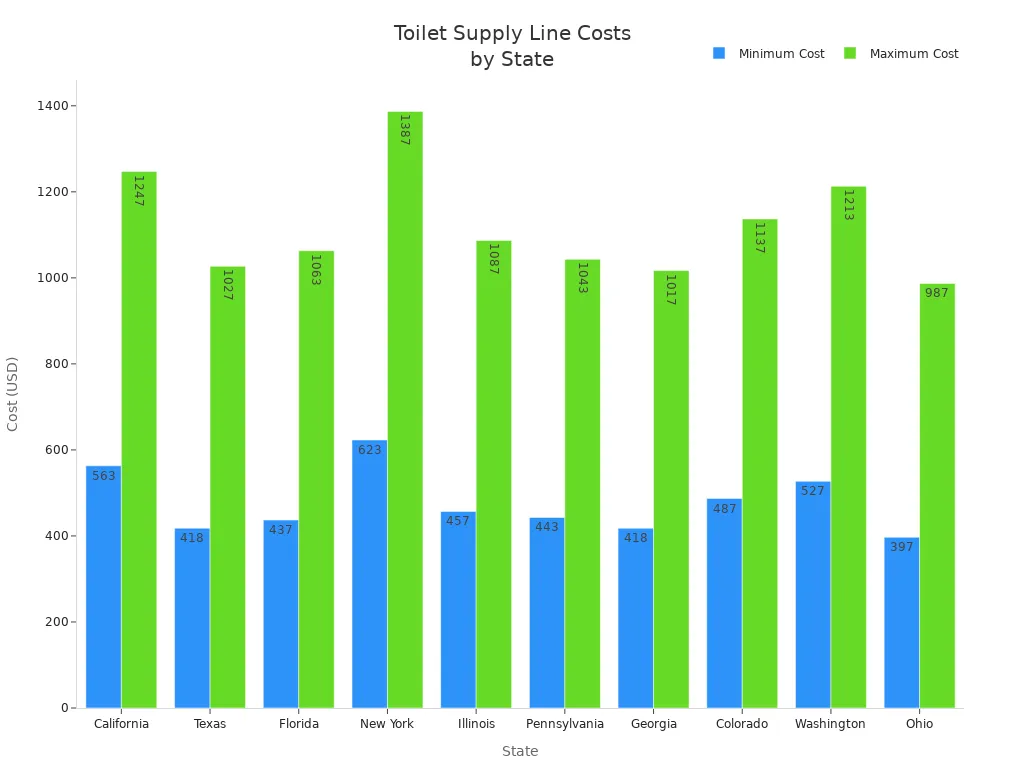
Before purchasing, people should compare different brands and check nearby prices.
Toilet supply line Supply line types
Toilet supply line Braided vs. plastic
Braided water supply hoses have a stainless steel outer layer and a flexible inner layer. This type of hose is strong and durable, less prone to bursting, and has a longer lifespan than plastic hoses. Many people choose braided hoses because of their strength and durability. Plastic hoses are cheaper, lighter, and perform best under low water pressure. The table below compares the two types of hoses:
| Type | Typical Cost | Durability | Best Use |
|---|---|---|---|
| Braided | $7 – $25 | Very High | High-traffic bathrooms |
| Plastic | $2 – $8 | Moderate | Guest or spare toilets |
GONGGONG manufactures high-quality braided hoses. These hoses are made of robust stainless steel and have a special internal structure that helps prevent leaks and ensures safe water use.
Toilet supply line Flexible vs. rigid
Flexible hoses can bend and are suitable for tight spaces. Most new bathrooms use hoses, making installation easier. Rigid pipes are made of hard materials like copper and are completely inflexible, requiring very precise measurements. Plumbers typically use rigid pipes in older homes or in special circumstances. Flexible pipes are less expensive to install and replace.
Tip: Flexible pipes are installed faster and help prevent leaks.
Toilet supply line Specialty lines
Special purpose hoses are designed for specific applications. Some are made of double-braided stainless steel for added strength and durability; others use polymer or nylon materials for easier bending. GONGGONG sells hoses in various lengths with special fittings such as EPDM, PEX, or PTFE. These hoses are suitable for high-pressure, chemical-containing, or very clean water. Special purpose hoses are more expensive but safer and perform better.
Homeowners should choose the appropriate water supply hose based on their bathroom’s specific conditions, water pressure, and budget.
Toilet supply line Additional costs
Toilet supply line Installation fees
Many people choose to hire a plumber to install toilet water supply hoses. Plumbers typically charge by the hour or by the amount of work done. Installation costs vary depending on the region and the plumber’s experience, and can range from $45 to $150. Some plumbers may charge extra if removing old parts or working in confined spaces is required. Homeowners looking to save money can try installing the pipes themselves. However, professionals can ensure the work is done correctly and help prevent leaks.
Tip: Always get a quote before hiring a plumber. This helps avoid unexpected costs.
Toilet supply line Tools and fittings
Installing new water pipes typically requires some basic tools. Most people will need an adjustable wrench, Teflon tape, and sometimes a bucket to catch water. If you didn’t have these tools beforehand, it will usually cost between $10 and $30. Some water pipe systems come with all the necessary accessories, while others don’t. Additional accessories, such as washers or fittings, can add $2 to $10 to the total cost. If the homeowner also needs to replace parts of the toilet inlet valve, the cost will increase.
| Item | Estimated Cost |
|---|---|
| Adjustable wrench | $8 – $15 |
| Teflon tape | $1 – $3 |
| Extra fittings | $2 – $10 |
Toilet supply line Replacement frequency
Toilet water supply pipes can last for many years, but experts recommend checking them every few years for signs of wear. If the pipes show rust, cracks, or leaks, they need to be replaced. Many people choose to replace both the water supply pipe and the toilet inlet valve at the same time. This helps prevent potential future problems and saves time. While the upfront cost of replacing both components may be higher, it generally reduces the risk of future leaks and damage.
Note: Regular inspections and timely replacements help keep the bathroom safe and dry.
Where to buy Toilet supply line and save
Retailers and online options
You can buy toilet water pipes at many stores. Large home improvement stores have a wide selection. ReliaBilt is available at Lowe’s, and Everbilt at The Home Depot. These brands suit most households. They focus on meeting the needs of most people and are inexpensive. Online stores like PlumbingSupply.com offer a wide variety of plumbing fittings. They sell both common and less common fittings. You can read about each product before buying.
- Lowe’s and The Home Depot both have their own brands and are well-stocked.
- PlumbingSupply.com offers a wide range of products and helpful guides.
Tips for best prices
Smart shopping can save you money. Buying multiple water pipes can reduce shipping costs. This is especially useful if you need to replace several pipes. Online stores often have promotions on plumbing supplies. It’s best to check prices at both local stores and online. Choosing the right water pipes can also save you money. Plain plastic pipes are suitable for guest bathrooms. Sturdy braided hoses are better suited for bathrooms with higher usage.
Tip: Keep an eye out for promotions and clearance sales at large stores. These offers can help you buy quality products at lower prices.
DIY vs. professional install
Many people try to install their toilet water supply pipes themselves. This can save on the cost of hiring a professional. However, if mistakes are made, repair costs can be very high. Forgetting to turn off the water can cause leaks and damage. Using the wrong tools or parts can lead to leaks. Improper installation can damage walls or cabinets. Using the wrong parts may require replacing the pipes, which can cost hundreds or even thousands of dollars. Overtightening parts can cause mold or flooring problems. People should familiarize themselves with local regulations before attempting it. If you are unsure how to proceed, it is best to hire a professional. A plumber can ensure the toilet inlet valve and water supply pipes function properly.
Note: Careful installation can prevent major repairs later and ensure bathroom safety.
The price of toilet water supply pipes is affected by many factors. The table below lists the factors that affect the price:
| Factor | Description |
|---|---|
| Type of Toilet | Different toilets can change the cost. |
| Parts Involved | More parts mean higher expenses. |
| Labor Costs | Plumbers charge $45 to $200 per hour. |
| Accessibility Issues | Hard-to-reach spots raise labor time and cost. |
| Emergency Service | Emergency calls can add $100 to $300. |
| Floor Damage | Repairs may cost $9 to $20 per square foot. |
People need to consider both the product itself and its installation costs. Comparing different brands and types can help find a better price. The table below lists some common water supply line types:
| Type of Supply Line | Pros | Cons |
|---|---|---|
| Flexible Braided Stainless Steel | Strong, bends easily, simple to use | Costs more than PVC or vinyl |
| Rigid Copper | Lasts a long time, very tough | Harder to put in, does not bend |
| PVC and Vinyl | Cheap, easy to put in | Not as strong, can break over time |
“Brand or price doesn’t always mean better performance,” so it’s wise to check reviews before buying. Premium brands like GONGGONG provide robust and reliable products for users who want durable water supply lines.
FAQ
How often should toilet water supply pipes be replaced?
Experts recommend checking water supply pipes every few years. If rust, leaks, or damage are found, they should be replaced. For safety, most people replace them every 5 to 10 years.
Can homeowners install their own toilet water supply pipes?
Yes, many people can install their own water supply pipes. You’ll only need some simple tools, such as an adjustable wrench and Teflon tape. Be sure to read the instructions and turn off the water supply first. This will make the installation safer and easier.
What is the safest material for toilet water supply pipes?
Stainless steel braided hoses are the safest and most durable. They are not prone to rusting or bursting. Brands like GONGGONG use robust materials, so the hoses will last a long time.
Do all toilets use the same size water supply pipe?
No, toilet water supply pipe sizes can vary. The most common sizes are 3/8 inch and 1/2 inch. Check your toilet and valve before purchasing to ensure the size is correct.