
Yes, splicing is possible when a dishwasher drain hose needs quick repair or extension. Splicing is feasible in many cases if the right tools are used and safety procedures are followed. The right materials help prevent leaks and ensure a safe kitchen. Some hoses, such as corrugated drain hoses, may require special care or complete replacement due to their design.
Key Takeaways
- Splicing a dishwasher drain hose can quickly fix a leak or extend the hose length. Use the right tools and materials to ensure a secure connection.
- Be sure to choose high-quality hose fittings and clamps to prevent leaks. A strong connection ensures your kitchen stays safely dry.
- Not all hoses are suitable for splicing. Corrugated hoses often require replacement rather than repair due to their design.
- Safety is paramount. Before starting any repair, turn off the power and water supply to avoid accidents.
- It is crucial to perform a leak test after splicing. Use soapy water to check for bubbles and ensure a tight seal.
When to Splice a Dishwasher Drain Hose
Common Reasons for Dishwasher drain hose
Many people sometimes need to splice dishwasher drain hoses. Leaks may occur at hose joints or in the middle. Splicing can help repair these leaks without needing to buy new hoses. Sometimes, a new dishwasher is far from the drain. Splicing allows you to extend the hose length without replacing it with a new one. People also frequently splice hoses of different sizes or types. For example, the hose for a new dishwasher may not fit an old drain pipe. Using a connector allows you to join the two hoses together and keep the connection secure.
Tip: Always use high-quality hose connectors and clamps to ensure a secure and leak-proof connection.
Splicing works best with smooth and flexible hoses. These hoses seal better and are easier to install. Before starting any repairs, people should check the material of the hose.
When Replacement Is Better
Not all hoses are easy to splice. The bumps on a corrugated drain hose can make sealing difficult. If the seal is not tight, water may leak from the grooves. Often, replacing the hose is safer and will last longer. If the hose has many cracks or looks severely worn, it’s best to replace it. Old hoses may break when attempting to splice.
New hoses help the dishwasher work properly. Modern hoses, such as braided hoses, are less prone to tangling and have a longer lifespan. To avoid problems, people should consider replacing the hose.
Tools and Materials for Splicing Plastic Dishwasher drain hose
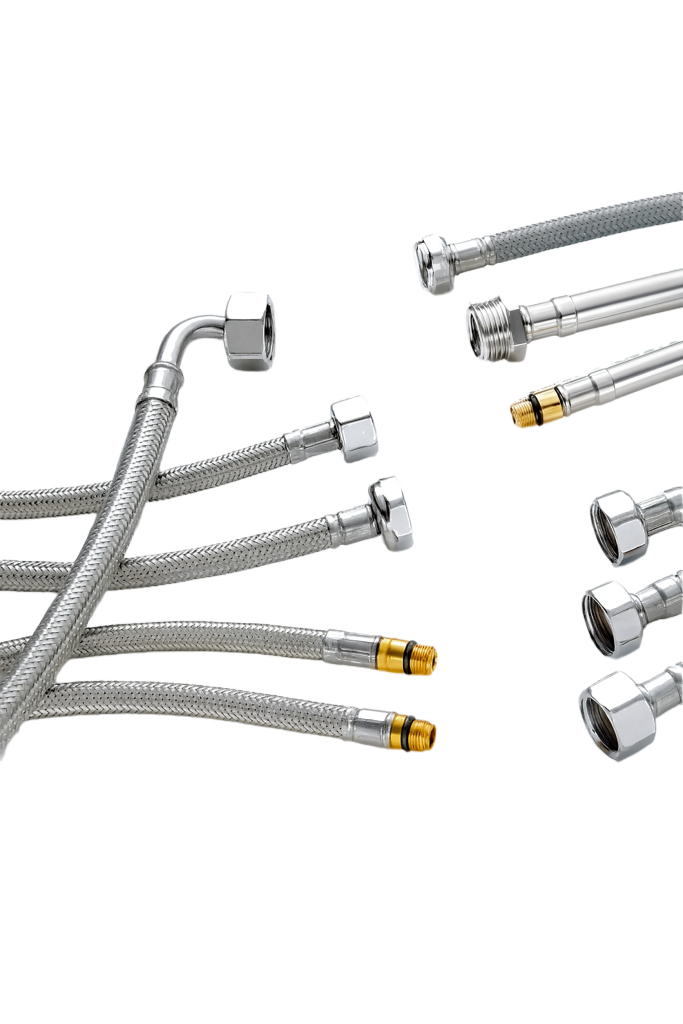
Dishwasher drain hose Essential Tools and Supplies
Anyone wanting to connect plastic dishwasher tubing will need the right tools. These tools can make the job easier and safer. Here’s a list of tools most people will need:
- Hose Connectors: Used to connect the ends of two hoses.
- Hose Clamps: Used to securely fasten the hose to the connector.
- Screwdriver: To tighten the clamps.
- Utility Knife or Hose Cutter: To cleanly cut the hose.
- Cleaning Cloth: To wipe away dirt and water stains.
- Bucket or Towel: To catch any remaining water.
- Silicone Tape or Sealant: To seal small leaks if necessary.
Tip: Always clean the hose ends before connecting the hoses. Dirt or grease can affect the seal.
Choosing the Right Hose (Braided vs. Corrugated)
The type of hose is crucial when connecting plastic dishwasher tubing. Two common types of hoses are braided hoses and corrugated drain hoses. They each have their own characteristics.
| Hose Type | Pros | Cons |
|---|---|---|
| Braided | Flexible, strong, resists kinks, long life | Easy to splice, looks neat |
| Corrugated | Bends around corners, low cost | Hard to splice, may leak at joints |
GONGGONG braided hoses stand out for their high quality. They are made of robust and durable materials, resistant to corrosion. These hoses work well in confined spaces and are long-lasting. Many people choose braided hoses because they are reliable and easy to install.
While corrugated drain hoses are flexible, their corrugations make splicing more difficult. Leaks can occur if the seal is not tight. Sometimes, replacing the hose is better than trying to repair it.
Choosing the right hose helps prevent leaks and ensures your dishwasher functions properly.
How to Splice a Dishwasher Drain Hose
Turn Off Power and Water
Safety first when using any electrical appliance. Before starting, always turn off the dishwasher’s power (at the circuit breaker). This step prevents electric shock. Next, turn off the dishwasher’s water supply. Keeping the work area dry and safe helps prevent accidents.
Tip: Place a towel or bucket under the hose to catch any remaining water.
Cut and Prepare Hose Ends
Proper preparation makes hose fittings easier and more reliable to install. Here are recommended hose fitting preparation methods:
- Cut off any damaged sections of the hose. Make sure to cut in a straight line across the hose for a clean, even edge.
- Use a utility knife or hose cutter to make a clean, sharp cut.
- Thoroughly clean both cuts. Remove any dirt, grease, or debris. A clean surface helps ensure a strong seal.
If there is a minor leak in the hose, you can use repair materials such as JB Weld WaterWeld or silicone self-adhesive tape. JB Weld is suitable for wet surfaces and underwater repairs. Silicone tape can be used as a quick, temporary repair tool. For best results, work on a dry surface.
Attach Coupler and Clamps
A secure connection prevents water from leaking out of the hose and spilling onto the floor. High-quality fittings and clamps are recommended. The following table lists the characteristics of a high-quality connection kit:
| Feature | Details |
|---|---|
| Type | Dishwasher Drain Connector |
| Material | 410 stainless steel |
| Clamp Type | Worm gear clamps (2 included) |
| Fits Standpipe | 1-1/2″ or 2″ |
| Fits Drain Hose | 1″ – 1-7/16″ |
| Max Pressure | 30 psi |
| Working Pressure | 20 psi |
| Working Temperature | 120°F |
| Gasket Material | Rubber |
Connection Method:
- Slide the clamp onto both ends of the hose.
- Insert the connector into both ends of the hose until secure.
- Place the clamp onto the connector and hose.
- Tighten the clamp with a screwdriver. Ensure the connection is secure.
Note: Avoid adding excessive length when cutting and splicing hoses. Excessive hose length may damage the dishwasher pump.
Test for Leaks
Testing ensures a secure repair. Here are best practices for checking for leaks:
- Fill a large bowl with soapy water.
- Dip the assembled hose sections into soapy water.
- Squeeze each section of hose and observe for bubbles. The presence of bubbles indicates a potential leak.
If bubbles appear, tighten the clamps or reapply sealant. Repeat the test until no more bubbles appear.
Alert: Smooth external connectors may not seal well with corrugated hoses. Always check for leaks after assembly.
Handling with care helps keep your dishwasher drain hose in good working order and prevents water damage.
Repair a Corrugated Dishwasher drain hose : Tips and Mistakes
Ensuring a Leak-Free Seal
Many people find repairing corrugated drain hoses tricky because of their corrugated surface. These corrugations make sealing leak-proof difficult. To help you accomplish this, follow these steps:
- Select the appropriate connector that matches the hose size and your dishwasher drain hose system.
- Clean and dry the hose ends and connectors with a cloth to remove dirt and moisture.
- Use suitable PVC glue or sealant and apply it evenly to both surfaces.
- Insert the hose fully into the connector until it cannot be inserted any further.
- Follow the product instructions and allow sufficient time for the adhesive or sealant to cure.
- Check the hose for leaks by running water or performing a pressure test.
- Tighten all connections by hand, avoiding excessive force.
- Use a support or clamp to hold the hose in place to reduce stress and prevent movement.
Tip: Always double-check the seal before each use of the dishwasher.
Avoiding Kinks and Blockages
When repairing corrugated drain hoses, avoid knots and clogs. These problems can lead to poor drainage and backflow of wastewater. To avoid the following:
- Ensure the hose is not bent or kinked.
- Install a high elbow on the hose to prevent wastewater from flowing back into the dishwasher.
- Check all connections for tightness, but not overtightening.
A smooth drainage path helps the dishwasher work better and keeps the kitchen dry.
When to Replace Instead of Repair
Sometimes, replacing a corrugated drain hose is better than repairing it. If the hose has multiple cracks, deep cuts, or looks very old, replacing it with a new hose is more effective and will last longer. Replacing the hose can also help prevent future leaks and water damage. For best results, it is recommended to choose a high-quality hose.
Note: If the leak persists after repair or the hose remains clogged, replacement is the safest option.
Assembling a dishwasher drain hose can solve several problems. Success is possible with the right tools and by following each step. Before you begin, always check the type of hose. Corrugated hoses usually need replacement rather than repair. Handling it safely and carefully helps prevent leaks and water stains. Many people choose robust and durable hoses like GONGGONG for longer-lasting performance.
- Replacing the entire hose is generally more reliable than splicing.
- Installing a connector in the middle of the hose can cause leaks.
- Hose connectors are more prone to clogging than other parts.
FAQ
Can anyone assemble a dishwasher drain hose at home?
Most people can assemble a dishwasher drain hose using basic tools and by carefully following the steps. They should follow safety tips and check the hose type before starting. Reading the manufacturer’s instructions helps avoid mistakes.
Which type of hose is best for splicing?
Braided hoses are best for splicing. They have a smooth surface and are less prone to tangling. GONGGONG braided hoses offer strong, flexible, and durable connections.
How do I check for leaks after splicing?
You can fill the hose with water and observe if there are any drips. Using soapy water can help identify air bubbles at the joints. Tightening the clamps can usually stop minor leaks.
Is it safe to repair minor leaks with sealant or tape?
Sealant or silicone tape can temporarily repair minor leaks. For a permanent repair, it is recommended to use a joint and clamps, or replace the hose.
When should the entire drain hose be replaced?
If the hose has multiple cracks, deep cuts, or severe wear, it should be replaced. A new hose will prevent leaks and ensure the dishwasher functions properly.