

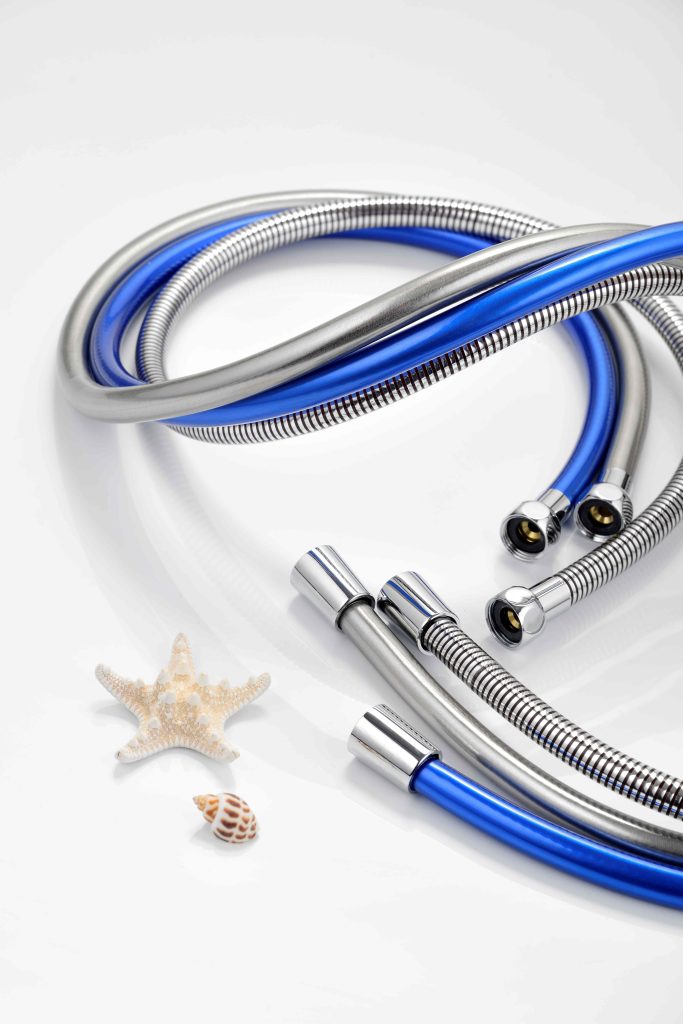
The best shower hoses feature an outer layer of 304 stainless steel and an inner layer of silicone or EPDM. This combination effectively prevents rust and ensures the hose’s durability. Consumers want hoses that are strong, safe, and perfectly suited to their showering needs.
High-end products like GONGGONG braided hoses are crafted from premium materials and feature unique designs that ensure superior performance and durability in any shower environment.
Key Takeaways
- 304 stainless steel is the best choice for the outer layer of a shower hose. It is rust-resistant and durable.
- Silicone and EPDM are ideal for the inner layer. They effectively protect water quality and have good heat resistance.
- PTFE-lined braided hoses are chemically resistant and help maintain water cleanliness. They are ideal for high-intensity shower environments.
- Stainless steel hoses are more durable than plastic hoses. They are flexible and less prone to tangling.
- Choose hoses with safety certification marks such as NSF/ANSI 61. This ensures the hose is suitable for everyday use.
Best Material for Shower Hose
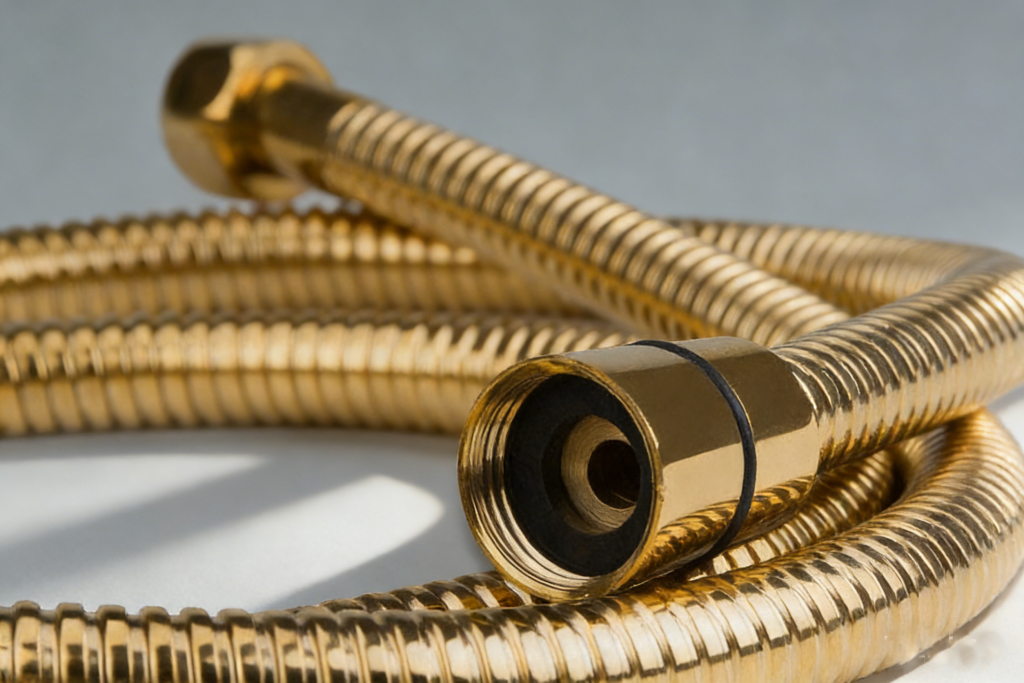
Choosing the right shower hose material is crucial. It ensures a safe and lasting shower experience. A high-quality shower hose needs to be sturdy, flexible, and reliable. Experts point out that the following three materials are ideal: 304 stainless steel, silicone or EPDM inner tubing, and PTFE-lined braided hoses. Each material offers unique advantages for creating a high-quality shower hose.
304 Stainless Steel
304 stainless steel is the preferred material for the outer layer of shower hoses. This metal will not rust or corrode even in humid environments. Stainless steel hoses have a bright appearance that complements most bathroom styles. People like stainless steel hoses because they are more durable than plastic hoses and less prone to cracking or breaking. A high-quality shower hose must withstand the test of daily use. Stainless steel hoses are less prone to tangling when bent, making them very convenient to use while showering. GONGGONG uses high-quality stainless steel in its braided hoses, setting a high standard for durability and performance.
For those who want a durable shower hose, a stainless steel hose is a good choice.
Silicone and EPDM Inner Tubes
The inner tube of a shower hose is crucial for water safety. Silicone and EPDM are the best choices for this component. Both are resistant to high temperatures and chemical corrosion, ensuring clean and safe water. A high-quality shower hose must meet health standards. Silicone and EPDM inner tubes are typically certified by organizations such as the International Association for Plumbing Maintenance (IAPMO) and the American Society of Safety Engineers (ASSE). These certifications indicate that the shower hose’s materials are safe, reliable, and meet relevant standards. The WaterSense program also supports water-saving and health-protective products. Silicone and EPDM inner tubes help create a high-quality shower hose suitable for any shower environment.
PTFE-Lined Braided Hoses
PTFE-lined braided hoses are another excellent choice for shower hoses. PTFE stands for polytetrafluoroethylene, known for its chemical resistance and smooth surface. PTFE-lined hoses are suitable for shower environments requiring extra protection against strong water or detergents. These hoses will not damage or contaminate the water. This makes them ideal shower hoses for both home and commercial settings. The table below compares the performance of PTFE-lined braided hoses and rubber hoses:
| Hose Type | Chemical Resistance | Degradation Risk |
|---|---|---|
| PTFE-lined Braided | Very high; safe with almost all chemicals, acids, bases, and solvents. | Very low; does not break down or dirty the water. |
| Rubber | Depends on the type; can break down with some fluids. | High; some chemicals make it break down fast. |
GONGGONG braided hoses, lined with PTFE, are suitable for situations requiring the safest and best materials. These hoses keep the water clean and are suitable for a variety of shower environments.
The best shower hoses feature a stainless steel outer layer and an inner layer of silicone, EPDM, or PTFE. Shower hoses made of this material are sturdy, durable, safe, and comfortable.
Shower Hose Material Comparison
Shower Hose Stainless Steel vs. Plastic
Both stainless steel and plastic can be used to manufacture shower hoses. Stainless steel hoses have a bright sheen, never rust, and are durable in the shower. Many people like their flexibility and resistance to tangling. Plastic hoses are cheaper and lighter than steel hoses, and come in a variety of colors and styles. However, plastic hoses are prone to cracking or abrasion in hot water. Some plastic hoses have a metal layer for added strength, but even so, their lifespan is still not as long as that of stainless steel hoses. For households that shower frequently, stainless steel hoses are usually the better choice.
Shower Hose Brass and Reinforced Rubber
Brass hoses and reinforced rubber hoses each have their advantages. Brass hoses never rust and can withstand high water pressure. Reinforced rubber hoses maintain their flexibility and durability even after repeated bending. The table below lists the differences between high-pressure hoses and regular hoses:
| Feature | High-Pressure Shower Hose | Standard Shower Hose |
|---|---|---|
| Pressure Tolerance | High | Medium |
| Burst Resistance | Excellent | Limited |
| Durability | Long-term | Moderate |
| Anti-Kink Design | Strong | Basic |
| Application | High-pressure systems | Normal household use |
Brass hoses and reinforced rubber hoses are suitable for shower enclosures with strong water flow. They help prevent leaks and have a longer lifespan in such homes.
Double Interlock and Braided Hoses
Double-interlock and braided hoses are known for their durability and comfort. Double-interlock hoses use interlocking wire coils to prevent the hose from twisting or tangling. Braided hoses use multiple layers of metal or fiber for added strength and durability. People like these hoses because they are durable and easy to maintain. Their main advantages include:
- Stronger and more flexible, suitable for everyday showers
- Better withstands water pressure and prevents tangling
- Higher user satisfaction due to fewer malfunctions
Braided shower hoses are ideal for modern bathrooms. They handle strong water pressure well and maintain a smooth water flow. Many people choose these hoses because they are comfortable and durable.
Durability of Shower Hose Materials
Shower Hose Corrosion and Wear Resistance
The lifespan of a shower hose is crucial. Corrosion and abrasion can cause premature hose failure. Different materials protect hoses in different ways. Stainless steel is strong and durable and does not rust easily. Many people choose stainless steel hoses because they maintain their shine and durability for many years. Brass also offers rust resistance and a long lifespan. Plastic hoses are cheaper and lighter, but perform poorly in harsh environments.
304 stainless steel shower hoses are less prone to rust and rapid wear, making them ideal for busy bathrooms.
The table below shows the lifespan of hoses of various materials in a home:
| Material | Average Lifespan |
|---|---|
| Flexible PVC | 2 to 5 years |
| Stainless Steel | 5 to 10+ years |
Stainless steel hoses last approximately twice as long as plastic hoses. This means households don’t need to replace hoses frequently.
Shower Hose Flexibility and Kink Prevention
A good shower hose should be able to bend without tangling. Flexibility allows the hose to move easily while showering. Stainless steel hoses use a special braiding process to maintain their flexibility and strength. Thinner, tighter braids result in better bending performance. Rubber hoses are very soft and less prone to knots, but their lifespan may not be as long as metal hoses. PVC hoses are initially lightweight and easy to bend, but they harden over time, especially in cold bathroom environments.
- Stainless Steel: Strong and durable, rust-resistant, well-braided, and bendable.
- Rubber: Very soft and doesn’t tangle easily, but may wear out relatively quickly.
- PVC: Initially lightweight and flexible, but hardens over time.
A soft shower hose makes showering more comfortable and enjoyable. It prevents water flow obstruction and extends the hose’s lifespan.
Shower Hose Safety
Non-Toxic and Certified Materials
Safety is paramount when choosing a shower hose for your home. The materials inside the hose must not contain harmful chemicals that could leach into the water. Many households want to ensure a safe shower. Several important certifications help people trust the products they use daily.
- NSF/ANSI 61 certification tests whether the hose material keeps water clean and free of hazardous chemicals.
- NSF/ANSI 372 certification ensures the hose has extremely low lead content, protecting health.
- WaterSense certification indicates that the shower hose is water-efficient and meets safety standards.
- The CSA mark indicates that the hose has passed safety and environmental testing.
Manufacturers use these standards to demonstrate that their shower hoses are suitable for everyday use. People can look for these marks when purchasing a new shower hose.
Shower Hose Temperature and Pressure Resistance
Shower hoses must be able to withstand hot water and strong water flow. Some showers use very hot water, which can damage less robust hoses. Silicone and ethylene propylene diene monomer (EPDM) rubber are two materials ideally suited for this demanding environment. They remain strong and durable even at water temperatures up to 250°F (121°C). These hoses will not crack or harden when used in hot water.
People should regularly inspect shower hoses for cracks or lumps. If damage is found, the hose should be replaced. Proper installation also helps extend the hose’s lifespan. A strong and durable shower hose ensures a safe and comfortable shower.
Tip: For optimal safety and performance, choose shower hoses made from high-quality materials such as silicone or EPDM rubber.
Shower Hose Cleaning and Maintenance
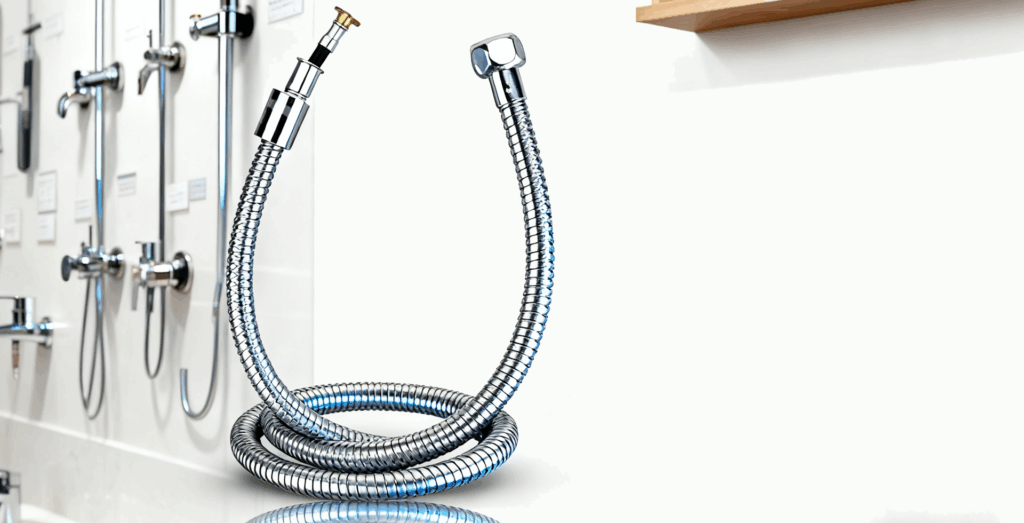
Shower Hose Mold and Mildew Resistance
Damp bathrooms are prone to mold growth. These problems can shorten the lifespan of shower hoses and reduce shower safety. Some hoses, such as antibacterial shower hoses, are specially treated to help prevent mold growth. These methods will keep your shower hose clean and fresh, even in humid environments. It’s recommended to install your shower hose in a shaded area and ensure good ventilation in your bathroom. This helps prevent mold growth. Drying the hose after each shower also effectively prevents moisture from seeping in and protects the hose.
Shower Hose Easy Cleaning Materials
Cleaning shower hoses doesn’t require strong chemical cleaners or vigorous scrubbing. Stainless steel, silicone, and plastic hoses all work well with simple cleaning methods. Soaking the hose in equal parts white vinegar and warm water for 30 minutes can remove dirt and mineral deposits. For stubborn stains, a baking soda paste works well. Use a soft-bristled brush or toothbrush to clean the hose without scratching the surface. Rinsing and drying the hose after each shower prevents dirt buildup. Avoid using steel wool and strong cleaners, as these can damage the hose’s surface.
Here are some simple cleaning tips for any shower hose:
- Use vinegar to break down dirt and mineral deposits.
- Use baking soda to remove odors and stains.
- Gently scrub with a soft-bristled brush or toothbrush.
- After each shower, rinse and dry the hose.
- Avoid using strong cleaners and steel wool.
A clean shower hose lasts longer and makes every shower safe and comfortable. Regular maintenance helps prevent mold growth and dirt buildup, making the hose easier to use and maintain.
Shower Hose Comfort and User Experience
Shower Hose Flexibility and Handling
A flexible shower hose makes showering easier and more enjoyable. You can adjust the shower head to any angle you need. This helps you easily wash your hair or rinse off soap. Some people need extra assistance while showering. A flexible hose allows them to control the water flow more easily. This is especially important for children, the elderly, and people with mobility issues.
- A flexible hose allows you to change the angle of the shower head. This makes showering more comfortable.
- These hoses can help people with mobility issues. They make controlling the water flow easier.
- The flexible hose design prevents tangling. This ensures smooth, unobstructed water flow every time.
A high-quality shower hose is flexible, strong, and durable. Top-brand braided hoses combine flexibility and durability, resisting twisting and tangling for a smooth and consistent shower experience.
Shower Hose Surface Temperature and Safety
Safety is paramount in every shower. When using hot water, the hose surface heats up. Metal hoses conduct heat well, so they heat up quickly. If the water is too hot, metal hoses can become scalding, especially for children and the elderly, posing a risk of burns.
- Metal hoses heat up rapidly during and after hot water use.
- PVC hoses heat up more slowly, remaining cool even after a hot shower, making them safer to the touch.
Always check the hose temperature before picking it up after using hot water. Some newer hoses feature a special coating to keep the surface cool. Choosing the right shower hose helps ensure a safe and comfortable shower.
Shower Hose Design and Compatibility
Shower Hose Length and Fittings
Choosing the right shower hose length makes showering easier and more convenient. Most hoses come in several common sizes. A typical size is 60 inches. Some hoses are longer, such as 63 inches, 72 inches, 80 inches, or even 108 inches. If you need a longer watering distance, a longer hose will be helpful. Most hoses come with a 1/2-inch threaded connector. This connector fits most shower heads and wall sockets. Installation is easy in most homes.
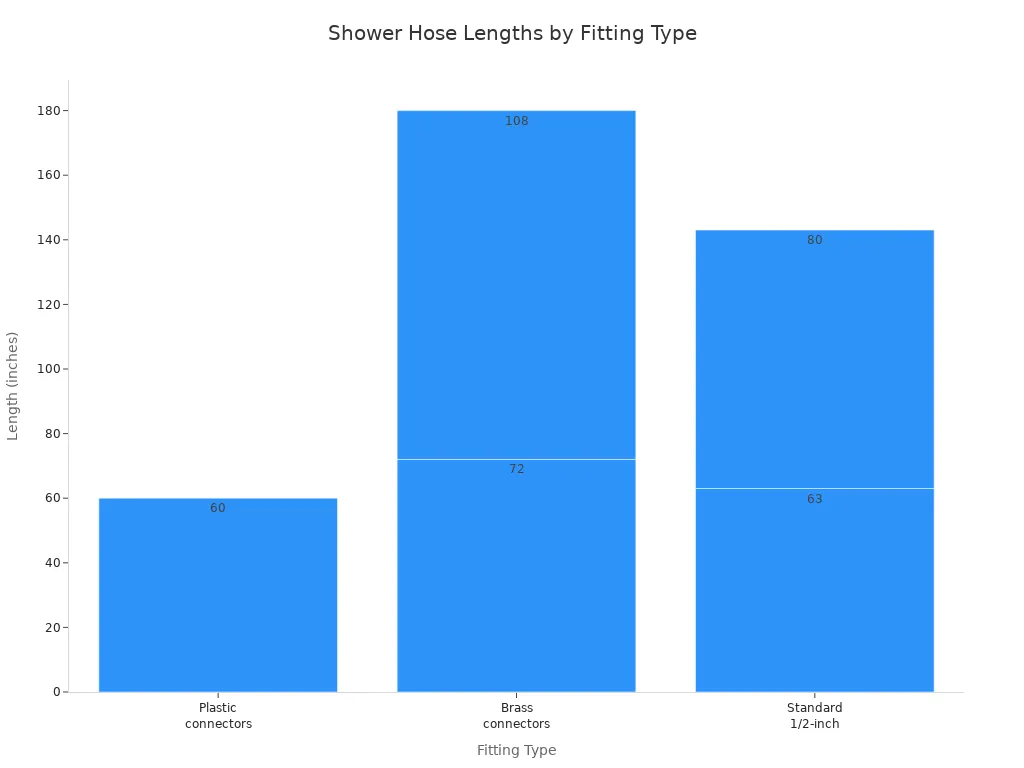
Most new shower hoses use G1/2 inch threads, a globally accepted main size. Before purchasing, it’s recommended to check the threads at both ends of the hose to ensure the correct size, eliminating the need for adapters.
Matching Bathroom Fixtures
Shower hoses should coordinate with the overall style of your bathroom. Robust hoses made of stainless steel and anti-tangle polymers are durable. Many hoses offer finishes such as chrome, brushed nickel, antique bronze, polished brass, or matte black, which help the hose match modern bathroom styles. Chrome and brushed nickel look particularly good in trendy bathrooms, while antique bronze and matte black offer a bolder feel.
Most hoses fit standard shower heads and wall connectors, meaning they are compatible with most shower fixtures. You can choose a hose that matches the color of your faucets and handles to create a clean and stylish shower area and a more cohesive overall bathroom look.
Tip: Choose a hose finish that matches your bathroom accessories for a perfect look.
Shower Hose Cost and Value
Shower Hose Price vs. Longevity
People often consider price when buying shower hoses. Cheap hoses may seem economical, but their lifespan may be short. Many low-priced hoses are made of PVC or ordinary rubber, which are prone to wear and tear with frequent showering. Frequent hose replacements can actually increase costs in the long run.
Stainless steel hoses, while having a higher initial cost, have a much longer lifespan than other cheaper hoses. The table below compares the performance of hoses made of different materials:
| Material Type | Durability | Recommended Replacement Cycle |
|---|---|---|
| PVC | Less durable | Not recommended for bathrooms |
| 304 Stainless Steel | More wear-resistant | Every 18 months to 2 years |
| Braided and Copper | Short service life | Not recommended |
A robust and durable hose means less frequent replacements, saving you money and time.
Shower Hose Long-Term Investment
Choosing a high-quality shower hose is a wise decision. A strong and durable hose ensures a consistent showering experience. It also helps protect the environment. Old PVC or rubber hoses can harm the planet:
- Manufacturing these hoses requires significant energy consumption and causes pollution.
- Long-distance transport of hoses increases carbon emissions.
- Discarded shower hoses take a long time to decompose in landfills, polluting soil and water sources.
- Worn-out hoses release tiny plastic particles that can harm animals and enter food.
Stainless steel or high-quality braided hoses have a longer lifespan and require less frequent replacement. This means less waste and a cleaner world. Choosing a quality hose benefits both your home and the planet.
Tip: Buying a sturdy and durable hose is both economical and environmentally friendly.
Choosing the Right Shower Hose
Quick Checklist
Choosing the right shower hose helps ensure a safe and comfortable shower. Before buying, consider the following aspects. The table below lists the differences between the two materials:
| Material | Pros | Cons | Best For |
|---|---|---|---|
| Stainless Steel Braided | Very strong, handles heat and pressure, looks nice. | Costs more, not as bendy as PVC. | Busy family bathrooms, places with hard water. |
| PVC (Plastic) | Light, bends easily, cheap, simple to clean. | Can crack, needs to be replaced often. | People who want to save money, short-term use. |
When purchasing a hose, pay attention to its length. Most households use hoses 60 to 80 inches (152 to 202 cm) long. Both ends of the hose must perfectly fit the shower head and walls. A good quality hose can bend but won’t twist. Safety is paramount, so choose hoses with safe water quality and low lead markings. The outer layer of the hose should not be rusty or worn. The inner tube should be kept clean with clean water.
Tip: Before purchasing a shower hose, always check the safety markings and connector sizes on the label.
When to Choose Premium Brands
Premium brands offer extra help for busy families and special needs. GONGGONG braided hoses are made of robust stainless steel with a special lining. These hoses have a longer lifespan and won’t rust. Those who shower frequently or have hard water in their homes should choose premium hoses. Premium hoses perform well in hotels, gyms, and homes with high water flow. They maintain smooth water flow and prevent leaks.
Families seeking a high-quality bathroom typically choose premium hoses. These hoses complement newly installed bathroom fixtures perfectly, leaving them looking brand new. High-end hoses also offer added safety for those who require greater protection, such as children or the elderly. Premium shower hoses from reputable brands provide peace of mind and long-term savings.
Note: High-end hoses have a higher initial cost, but they last longer and require less frequent replacement.
Experts recommend shower hoses made of stainless steel with EPDM or silicone linings. Stainless steel won’t rust, ensuring safe water use and lasting for years. EPDM is weather-resistant and chemical-resistant, making it suitable for any shower environment. The table below lists the unique features of these materials:
| Material | Key Features | Lifespan |
|---|---|---|
| Stainless Steel | Safe, strong, looks nice | Many years |
| EPDM | Handles weather, resists chemicals | Lasts a long time |
A checklist helps people choose the right hose. Premium brands like GONGGONG give more value and help you worry less for a long time.
FAQ
What is the safest material for a shower hose?
Stainless steel with an inner tube made of silicone or EPDM rubber is the safest choice. These materials do not add harmful chemicals to the water and are heat and pressure resistant, ensuring safe showering for everyone.
How often should a shower hose be replaced?
Most people replace their shower hoses every 18 months to 2 years. If you see signs such as leaks, cracks, or reduced water flow, it’s time to replace the hose.
Does a shower hose fit all showerheads?
Most shower hoses use a standard 1/2-inch connector. This size fits almost all showerheads and wall outlets. Always check the product label before purchasing.
How to prevent shower hoses from tangling?
Choosing a braided or double-interlocked hose helps prevent tangling. These designs keep the water flow smooth. Hanging the hose up after each use also helps prevent tangling.
Is a premium brand like GONGGONG worth the investment?
Premium brands use superior materials and advanced designs. These hoses have a longer lifespan and better performance. Many people believe that it is worth spending more money for long-term value and peace of mind.